Which closure fits which job?
Choose 711 aluminium clips for continuous-roll or mesh bags used in produce, bakery and snack packing. Choose 712 iron nails when that closure format suits the bag and product. Choose wire tying for continuous-roll or mesh bags on produce, wholesale-market and food lines where a wire tie is the required finish. These are different closure materials and mechanisms, not interchangeable consumables. Start with the finished bag format, then match the machine and its closure material.
The comparison below separates what each method does from what still needs confirming. It does not rank closure strength, output or service life: those results depend on the actual bag, consumable, setup and handling conditions. A bag-closing operation is also different from sealing the film itself. None of these method names establishes a hermetic seal or a shelf-life claim.
Keep the distinction between a bag-making process and a bag-closing process clear. These machines address the bag mouth after the product is placed in a suitable bag; they do not establish the performance of the film itself. Describe the bag material, its filled shape and how it reaches the closing position. Also explain what happens afterwards: packing into a carton, displaying the product or opening the bag. Those details give the closure choice a practical context without making an unsupported claim about shelf life or sealing performance.
| Function | Consumable | Bag type it suits | What to confirm |
|---|---|---|---|
| 711: clip the gathered neck | 711 aluminium clips | Continuous-roll and mesh bags | Bag material, gathered neck, clip format and handling |
| 712: close the bag mouth | 712 iron nails | Bags assessed for the nail closure | Bag material, neck shape, nail format and opening |
| Wire: tie the gathered neck | Matching tie wire | Continuous-roll and mesh bags | Gathered neck, wire format, handling and opening |
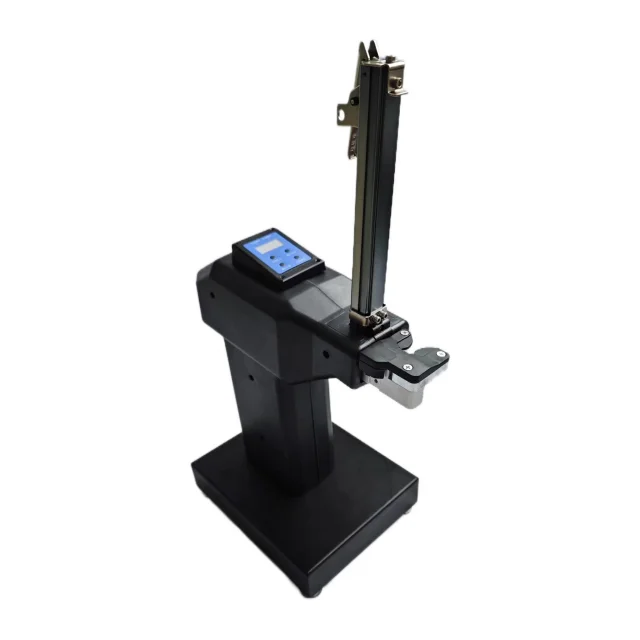
711 aluminium clips: produce, bakery and snack bags
The 711 closes continuous-roll bags and mesh bags with aluminium clips. It suits a workstation where filled bags are presented one after another and the required finish is a clipped neck. Produce, bakery and snack packing are the stated applications for this machine. Dingfeng also supplies the matching clips.
Confirm the bag construction and the gathered neck presented to the closing point. Mesh and continuous-roll bags do not necessarily form the same bundle of material. Check the filled bag, the space above the product and how the operator presents it. A specified clip format must match the machine; another clip that looks similar is not automatically compatible.
For a 711 configuration, specify the aluminium clip rather than describing the requirement only as a metal closure. A gathered continuous-roll bag and a gathered mesh bag may present different neck shapes even when the product looks similar. Include the intended filled bag in the discussion and make clear whether the closing point must leave space above the product. Confirm the clip format with the machine supplier; the fact that a clip fits another machine does not establish compatibility with this one.
712 iron nails: select around the specified closure
The 712 closes bags with 712 iron nails. It is an option where that nail format suits the product and the requested bag finish. Its bag-closing workflow can be considered alongside the 711, but the two machines use different consumables. Dingfeng supplies the matching nails as well as the machine.
Confirm the intended bag material and neck dimensions rather than assuming every bag accepted by an aluminium-clip setup will work unchanged. The closure should be checked through the handling steps that matter to the buyer, including carrying, packing into outer containers and opening. No transport performance is promised here without checking the actual combination.
For the 712, begin with the requirement for an iron-nail closure and confirm the actual bag-neck arrangement. Do not replace an aluminium-clip specification with a nail specification on the assumption that the two perform identically. Check how the closure is presented, how the operator handles the filled bag and how the recipient is expected to open it. Use the agreed closure material during any assessment so the result describes the proposed configuration, rather than a different machine or consumable combination.
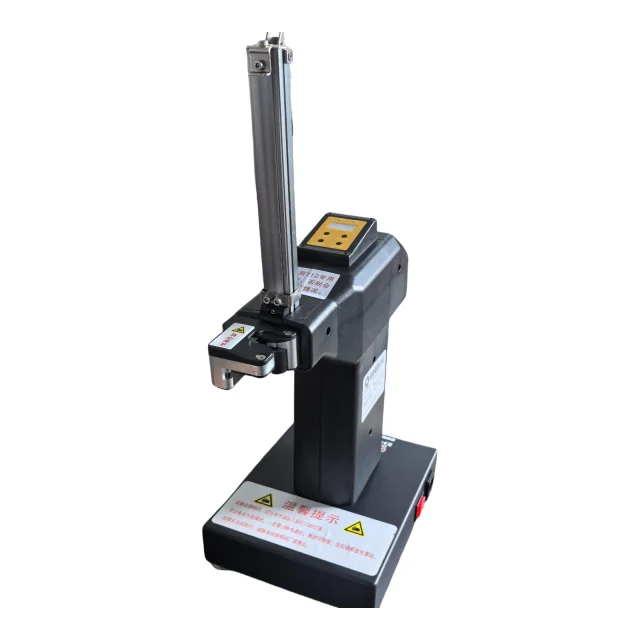
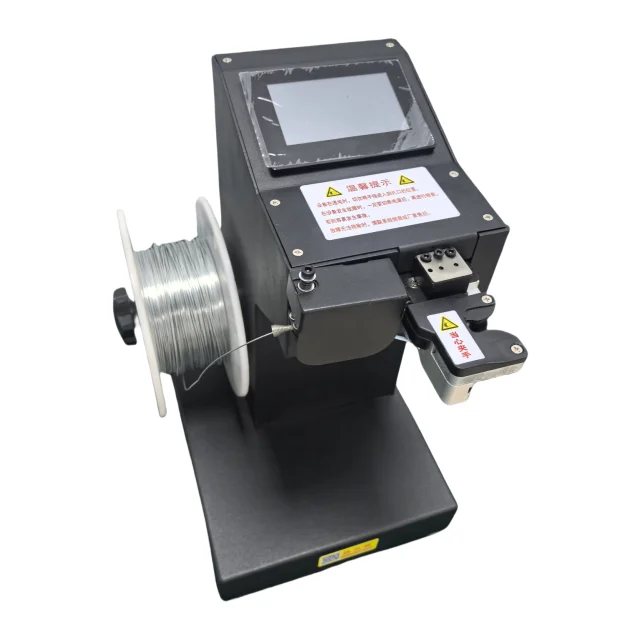
Wire tying: when the requested finish is a wire tie
The wire machine ties continuous-roll bags and mesh bags with wire. Its stated applications include produce, wholesale markets and food lines. It is the relevant method when the pack specification calls for wire rather than an aluminium clip or an iron nail. Matching wire is supplied with the machine.
Confirm the wire specification, the bag neck and the presentation method together. Then check the finished tie against the way the bag is handled and opened. Keep samples of both the bag and the closure when discussing replacements. To confirm a configuration, send the bag information and, if useful, a photograph with your inquiry. We usually reply within 12 hours.
For wire tying, identify the wire supplied and the finish required at the bag mouth. Discuss the gathered neck, any free bag material above it, and the way the tie will be handled when the pack is opened. This is a material-and-workflow choice, not a price ranking among the three methods. Dingfeng supplies the corresponding clips, nails and wire alongside its equipment. A finished bag sample and an outline of handling requirements are useful final inputs when you ask us to confirm a machine and matching consumable.